Domicile spotlight: Luxembourg

Domicile Spotlight: Luxembourg
Q&A with
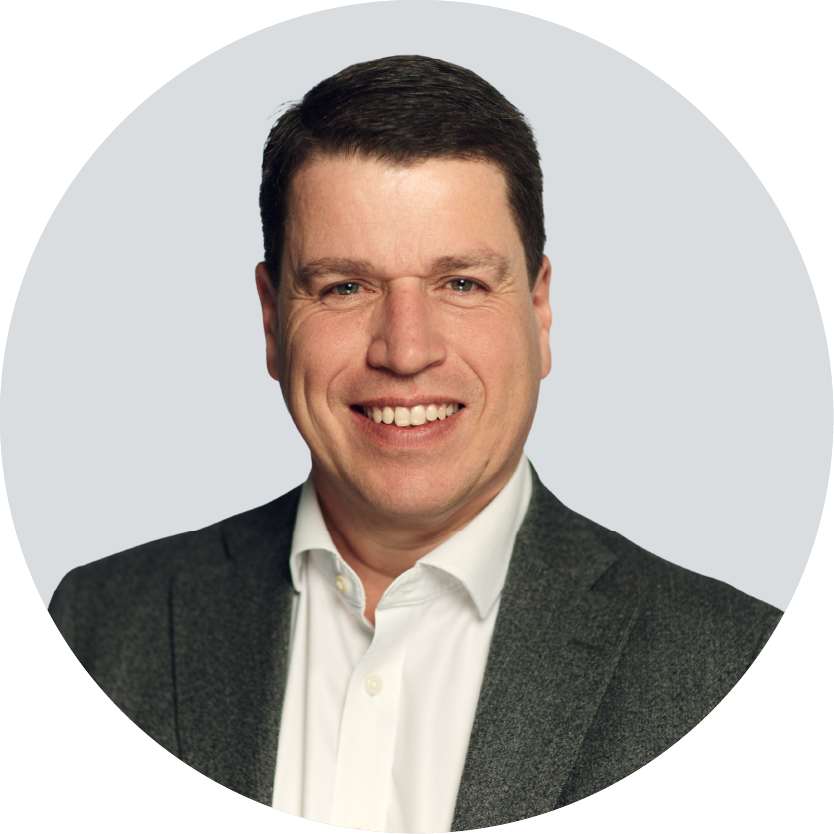
Francis Parisis |

Noémie Hémery |
Carne Group has once again been ranked the number one third-party ManCo in Luxembourg. What’s driving this continued success and how do you maintain momentum at the top?
Noémie Hémery: Reaching number one is one thing; staying there is another. So maintaining that motivation is a priority. We recruit people dedicated to achieving excellence, and as we onboard more complex mandates, we make sure we’re not only keeping pace but also bringing more value to our clients.
Francis Parisis: Our overall set-up, our quality and our governance excellence are major differentiators. We’re seen as a premium provider in this space, and the fact that we have a genuinely independent fiduciary model is a key part of that. Another key factor is our ability to anticipate clients’ needs and support them as they outsource more of their operating model. We’ve had some significant wins over the past year, and looking ahead, I don’t see this slowing down. Our pipeline remains strong and we’re already seeing growth of around 20% in this benchmark market.
How is growing regulatory and operational complexity reshaping the role of the ManCo? Why is outsourcing increasingly seen as a strategic lever rather than simply a cost decision?
FP: Our client discussions are increasingly centred on the challenging regulatory burdens they face, if they want to continue growing, remain efficient and adapt to changing requirements. Even large organisations can struggle with it. A client may have seven or eight funds, but they still need dedicated regulatory expertise to ensure compliance, and to implement changes across systems and processes. So, in Luxembourg alone, we have more than 200 clients and oversee more than 1,000 funds, so the scalability means we can do it more efficiently and more effectively.
In terms of outsourcing, a lot of firms feel their focus is being diluted by requests for reporting, oversight and fiduciary obligations. So by outsourcing those functions, firms can refocus on what they’re built to do – their core expertise for client outcomes like portfolio management and investor relations.
25 years ago, people were just looking at the idea, but in many cases now, if you don’t outsource fund administration, people ask ‘why not’? We believe management company services are following the same path, and this is the beginning of a much larger evolution.
Luxembourg has emerged as a leading hub for private assets. How is it influencing the evolution of structures, distribution and investor access?
FP: Luxembourg has consistently been an early adopter. It understands that to remain a leader, it has to implement new regulations quickly and pragmatically. The country has been particularly effective at translating European regulation into a framework that works for the market and attracts international players.
If you look at the success of private equity and private assets in general for Luxembourg, it’s been unbelievable what they’ve achieved. When more than 70% of European private assets business is domiciled in Luxembourg, there’s only one conclusion: the toolbox they’ve created works.
Carne moved to Luxembourg and really took to the market, and I think that’s a massive reason for its success. The Minister of Finance, the regulator and the market players have created an environment where, even with strict regulation, there’s a pragmatism that allows people to evolve and develop. Of course, we’re seeing more competition from other jurisdictions, but Luxembourg won’t stand still. It has always adapted, and I expect it to continue doing so.
NH: I think it really comes down to a combination of things working well together.
You have the structural flexibility – vehicles like the SCSp, the RAIF and ELTIF 2.0 – backed by a credible regulator in the CSSF, the AIFMD passport for European distribution, and an efficient tax framework. That alone is a strong base.
But what truly sets Luxembourg apart, in my view, is the ecosystem. Decades of accumulated expertise in private assets – lawyers, administrators, depositaries – people who know how to get things done properly and at pace.
For managers, that means speed to market and investor confidence. For investors, it means access to well-governed, EU-regulated products across the full private assets spectrum – and increasingly, that access is opening up to retail investors too, which is genuinely exciting.
How would you describe the culture of Carne Luxembourg, and how does it shape the way you collaborate and deliver for clients?
NH: Carne has a strong group culture, not only in Luxembourg. It’s a successful firm but has kept a family spirit, where people are encouraged to share their ideas and contribute their insights. Luxembourg itself is a unique environment because it’s so multicultural. We have people from all over the world, bringing different experiences and perspectives. I see that in my own team every day. It gives us a much broader way of thinking and working. Diversity is not just something we talk about; it’s part of who we are.
FP: That’s right. We have more than 40 nationalities across a team of around 90 people in Luxembourg, and that diversity creates enormous opportunities. At the end of the day, we’re an extension of our clients’ businesses, so cultural understanding matters. More broadly, I think Carne has managed to preserve a culture where people work hard but also enjoy what they do. I think we’ve managed to maintain that balance.
NH: The entrepreneurial spirit is also an important part of the culture in our Luxembourg office. People are encouraged to find solutions rather than apply a one-size-fits-all approach. This client-focused, flexible approach is particularly valuable in a complex, multi-strategy private assets environment. Our teams are genuinely collaborative, and people work across disciplines every day. It’s common to walk the floor, discuss a challenge with colleagues and find a solution together. That mindset, for me, is one of our strengths.
Subscribe to our newsletter to stay ahead on our latest insights, regulatory updates and events.
Check out all the articles from our latest newsletter here.
Carnversations
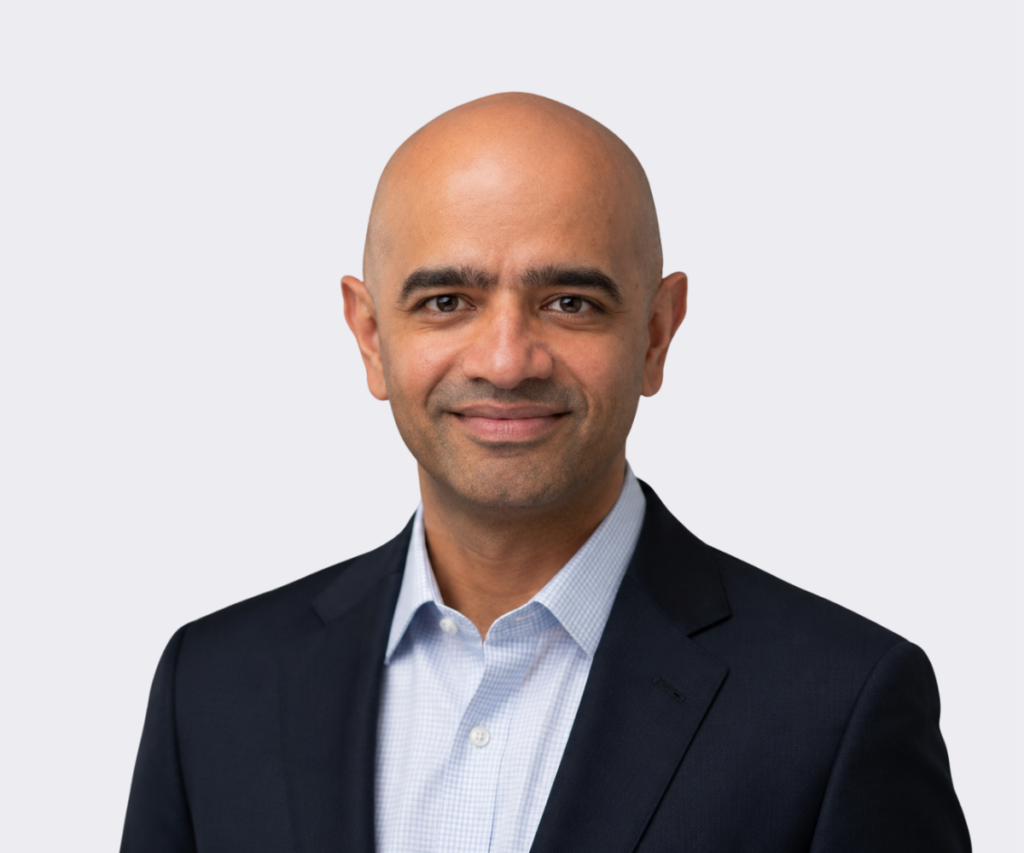
Asset management, ETF & capital markets veteran Keshava Shastry joins Carne Group

Navigating the semi-liquid distribution landscape
Preparing for UK CCI: Timeline, impact and practical next steps

GatherRound 2026
The new compliance partnership: AI, tech and the evolution of humans in the loop

AltsPath 2026
Product strategy comes first in Europe’s new private markets landscape

Private Guide